Programmable Logic Controller (PLC)
What is Programmable Logic Controller (PLC)?
A PLC is an industrial computer that reads sensors, runs control logic, and drives actuators to automate machinery and processes with high reliability and deterministic timing.
Examples
- A bottling line uses a PLC to read photoelectric sensors, count bottles, and coordinate conveyors and fillers.
- A water treatment plant PLC adjusts pump speeds and valve positions based on level and flow sensors.
Discover 🔎
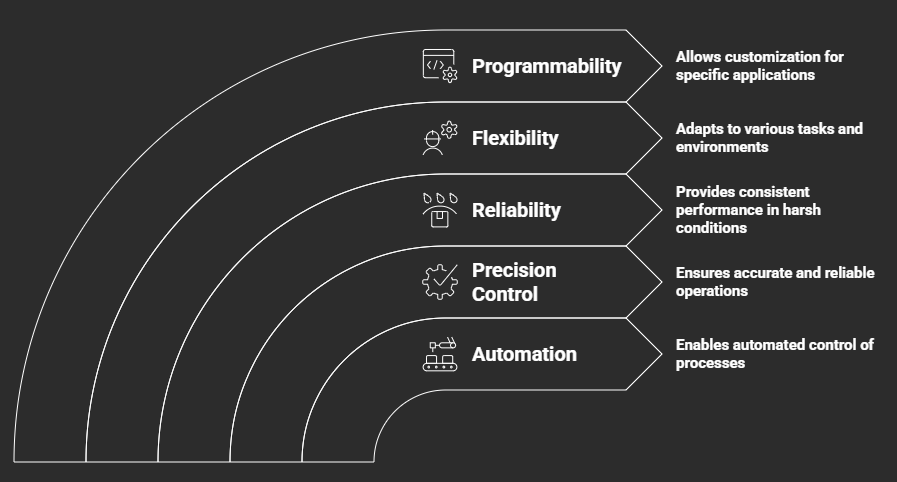
PLCs are the workhorses of industrial automation. Built to survive harsh environments, they provide predictable, repeatable control for motors, valves, heaters, and other field devices. Operators interact with PLC-controlled processes through HMIs, while engineers program and maintain PLC logic using vendor tools. In many facilities, dozens to thousands of PLCs coordinate production, safety, and quality.
Summary 📝
PLCs deliver reliable, deterministic control at the heart of industrial automation. Secure operations balance precision engineering with strong boundaries and disciplined change. With clear inventories, segmented networks, governed access, protocol-aware monitoring, and tested backups, PLCs can run safely for decades—even as the surrounding IT landscape evolves.
Tip: The interactive version includes progress tracking, decks, and premium deep dives.